

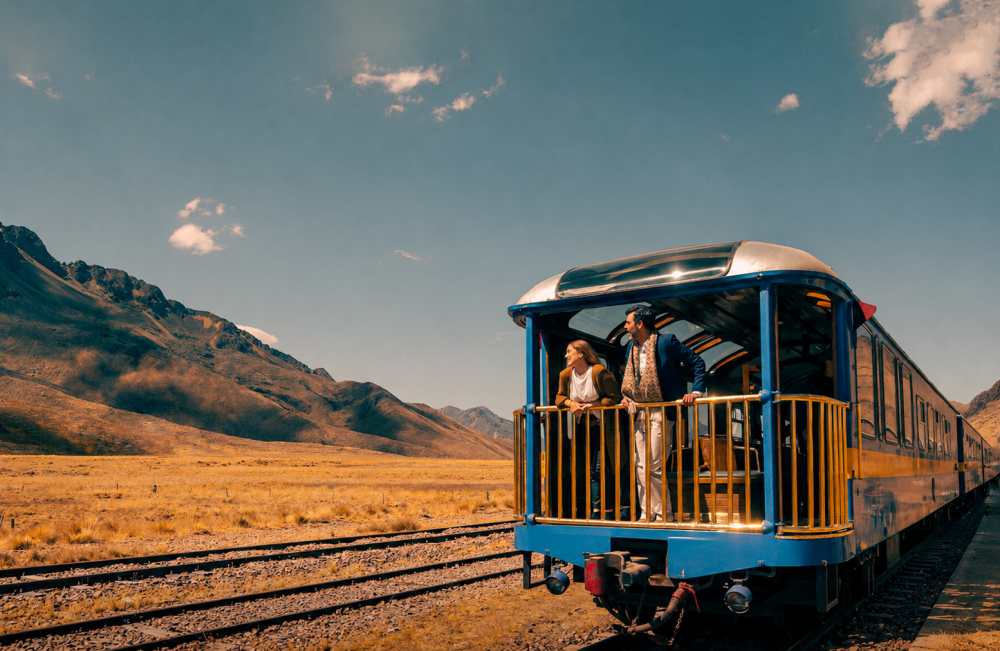
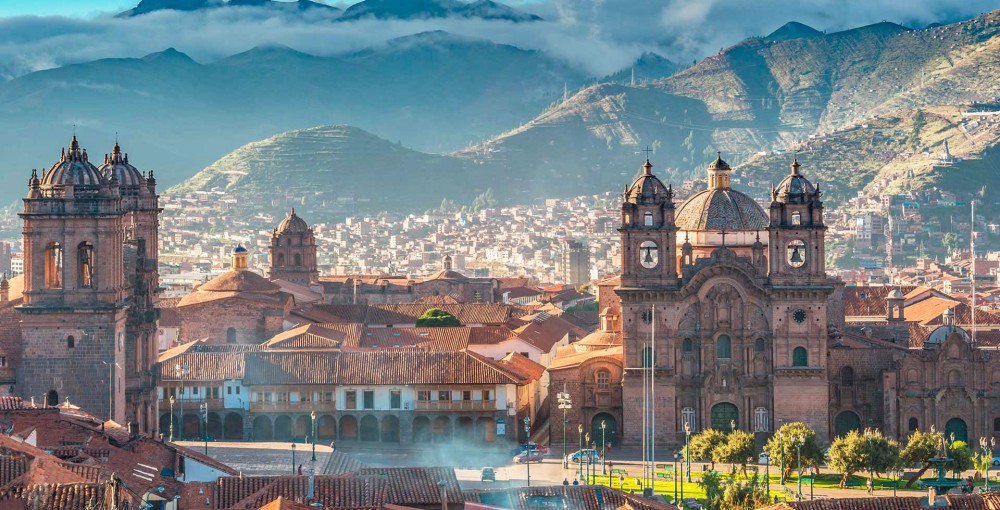
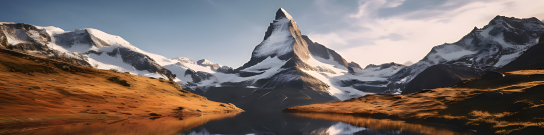






Climate change is increasingly influencing Peru’s coast, Andes, and Amazon through shifting rainfall, rising temperatures, glacier loss, droughts, and extreme weather.
Climate Change in Peru
Peru is one of the most geographically diverse countries in South America. Within its territory, travelers can experience the dry Pacific coast, the towering Andes Mountains, fertile valleys, cloud forests, and the vast Amazon rainforest. This extraordinary diversity makes Peru a unique travel destination, but it also means that climate change can affect each region in very different ways.
Rising temperatures, changing rainfall patterns, glacier retreat, prolonged dry periods, intense precipitation, and increasingly unpredictable seasonal conditions are becoming more relevant throughout the country. These environmental changes do not only affect natural landscapes. They also have consequences for agriculture, water resources, infrastructure, tourism, and the communities that depend on these ecosystems.
For travelers, climate change does not mean that Peru is no longer a suitable destination. Machu Picchu, Cusco, the Sacred Valley, the Amazon, and the country’s famous trekking routes continue to offer exceptional experiences. However, travelers need to be better informed, more flexible, and more prepared for changing weather conditions.
Why Peru Is Particularly Vulnerable to Climate Change
Peru’s vulnerability to climate change is closely related to its geography. The country includes coastal deserts, high-altitude mountain ecosystems, tropical forests, rivers, glaciers, valleys, and agricultural areas, all of which respond differently to variations in temperature and rainfall.
Higher temperatures can modify the timing and intensity of precipitation, influence river levels, affect crop production, reduce water availability, and alter fragile ecosystems. Some of these changes occur gradually, while others become evident after extreme weather events such as floods, droughts, landslides, or unusually intense rainfall.
Local communities are often among the first to notice these changes because their livelihoods depend directly on predictable weather patterns, water sources, agriculture, and natural resources. As traditional climate cycles become less consistent, adapting to new conditions becomes increasingly important.
Glacier Retreat in the Peruvian Andes
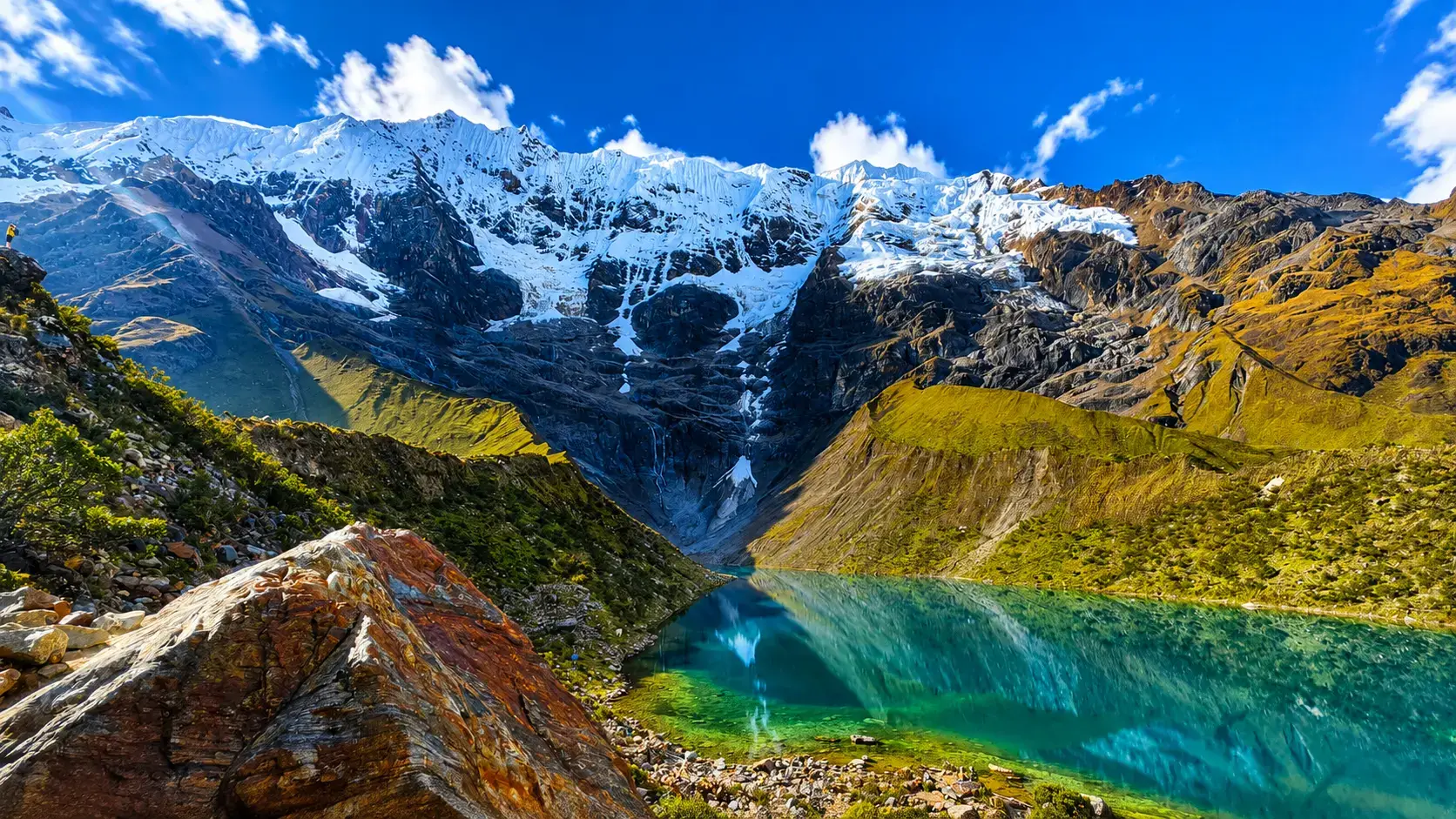
One of the clearest signs of climate change in Peru is the retreat of Andean glaciers. These tropical glaciers are an important part of Peru’s natural water system and contribute to rivers and watersheds that support communities, agriculture, ecosystems, and cities.
During the dry season, meltwater from glaciers helps maintain water supplies in areas where rainfall is limited. As temperatures rise, glaciers lose ice more rapidly. In the short term, increased melting can produce additional water, but continued glacier loss may eventually reduce the amount of water stored naturally in the mountains.
This creates long-term concerns about water security, particularly for populations that depend heavily on high-altitude water sources. The disappearance of glaciers also transforms mountain landscapes and affects ecosystems adapted to cold environments.
For travelers visiting high-altitude destinations, the retreat of glaciers offers one of the most visible examples of how global warming is changing the Peruvian Andes.
Climate Differences Across Peru
Peru does not have a single climate. Weather conditions can vary dramatically depending on altitude, geography, proximity to the Pacific Ocean, and location within the country.
A traveler visiting Lima, Cusco, the Sacred Valley, and the Amazon during the same trip may experience completely different temperatures, humidity levels, rainfall patterns, and environmental conditions.
Understanding these regional differences is essential when planning a trip, especially because climate change can make traditional seasonal patterns less predictable.
Climate Change on Peru’s Pacific Coast
Much of Peru’s Pacific coastline has a dry or desert climate. Lima, for example, receives very little rainfall during a typical year, although the city can experience high humidity, cloudy skies, and cooler temperatures during certain months.
However, the coast is strongly influenced by changes in Pacific Ocean temperatures. During significant El Niño events, unusually warm ocean waters can contribute to intense rainfall in areas that normally receive very little precipitation.
Heavy rain in dry regions can increase the risk of flooding, landslides, infrastructure damage, road closures, and transportation disruptions. These effects can be especially significant in northern and coastal regions.
Travelers visiting Peru during unusual Pacific weather conditions should therefore monitor recent forecasts and official updates rather than relying only on historical climate averages.
Climate Change in the Peruvian Andes
The Andes are one of Peru’s most important tourism regions. Cusco, Machu Picchu, the Sacred Valley, Rainbow Mountain, and many trekking routes are located in mountainous areas where weather can change quickly.
Climate change is becoming increasingly noticeable at high elevations. Temperatures are gradually rising, glaciers are shrinking, and seasonal weather can be more variable than in the past.
The distinction between the rainy season and dry season still exists, but travelers should not assume that a particular month guarantees completely dry or completely wet conditions. Rain can occur during traditionally dry months, while periods of clear weather can appear during the rainy season.
Mountain weather has always been unpredictable, but climate variability makes preparation even more important for travelers planning outdoor activities.
Climate Change in the Peruvian Amazon
The Peruvian Amazon covers a large portion of the country and contains some of the richest biodiversity on the planet. Rainfall is a fundamental part of this ecosystem, and although there are relatively wetter and drier periods, precipitation can occur throughout much of the year.
Climate change is increasing environmental pressure on the Amazon. Some areas may experience more severe droughts, while others can face intense rainfall and flooding.
Changes in precipitation can affect river levels, vegetation, wildlife habitats, local transportation, agriculture, and communities that depend directly on forest resources.
The Amazon is also affected by deforestation and environmental degradation. These pressures can make forests more vulnerable to climate-related changes and reduce their ability to regulate water systems, protect biodiversity, and store carbon.
Despite these challenges, the Peruvian Amazon remains one of the world’s most remarkable destinations for travelers interested in nature, wildlife, conservation, and cultural experiences.
What Is El Niño?
El Niño is one of the most important climate phenomena affecting Peru. It is associated with unusually warm surface waters in parts of the tropical Pacific Ocean.
El Niño is a natural phenomenon and has influenced Peru for centuries. However, because the country lies along the Pacific coast of South America, changes in ocean temperatures can produce significant effects on weather conditions.
During strong El Niño events, some coastal areas can experience exceptionally heavy rainfall. When large quantities of rain fall over regions that are normally dry, flooding, landslides, road damage, and infrastructure problems can become more likely.
The effects of El Niño are not identical throughout the country. Some regions may experience intense rainfall, while others may see different changes in temperature or precipitation.
For travelers, the presence of El Niño does not automatically mean that a trip should be canceled. Conditions should instead be evaluated according to the specific destination, season, and current weather information.
What Is La Niña?
La Niña represents the opposite phase of the same large-scale ocean and atmospheric system associated with El Niño.
Instead of warmer-than-average ocean temperatures, La Niña is characterized by cooler surface waters in important parts of the tropical Pacific.
Like El Niño, La Niña can influence weather patterns in Peru and other parts of the world. Its effects vary depending on location, season, and intensity.
Understanding both phenomena is useful because they show how closely Peru’s weather is connected to environmental changes occurring in the Pacific Ocean.
Climate Change and Extreme Weather
Scientists continue to study how global warming interacts with climate phenomena such as El Niño and La Niña. The relationship is complex, and it is not always possible to attribute a single weather event directly to climate change.
However, increasing global temperatures contribute to an environment where extreme weather, irregular rainfall, higher temperatures, and climate variability are increasingly important concerns.
For travelers, this means that historical climate averages remain useful, but they should always be combined with recent forecasts and local information.
How Climate Change Affects Trekking in Peru
Trekking is one of the main reasons international travelers visit Peru. The country offers high-altitude mountain passes, archaeological sites, glaciers, valleys, cloud forests, and routes leading toward Machu Picchu.
Traditionally, the Andean dry season is concentrated around the middle of the year. The period from approximately May to September is generally considered favorable for hiking, while wetter conditions are more common from around November through March.
These seasonal patterns remain useful for planning, but they should not be considered absolute. Rain can appear during a normally dry month, while the rainy season can sometimes include several days of clear weather.
Travelers should therefore use traditional climate information as a general reference rather than a guarantee.
High-Altitude Weather Conditions
Weather conditions in the mountains can change very quickly. A clear and sunny morning can be followed by clouds, rain, strong wind, hail, or much colder temperatures.
At high elevations, these changes can affect trekking conditions, visibility, trail safety, and traveler comfort.
Local guides and experienced tourism operators play an important role in monitoring trails, weather forecasts, river conditions, and potential risks.
Travelers should also understand that itinerary changes can occasionally be necessary. Temporary trail closures or route modifications are often implemented to protect visitors while weather conditions are evaluated or damaged infrastructure is repaired.
The Salkantay Trek and Inca Trail
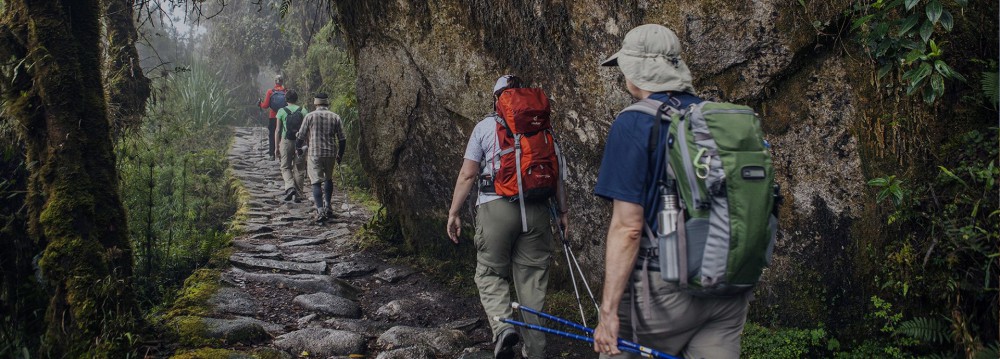
The Salkantay Trek and the historic Inca Trail remain two of Peru’s most famous trekking experiences.
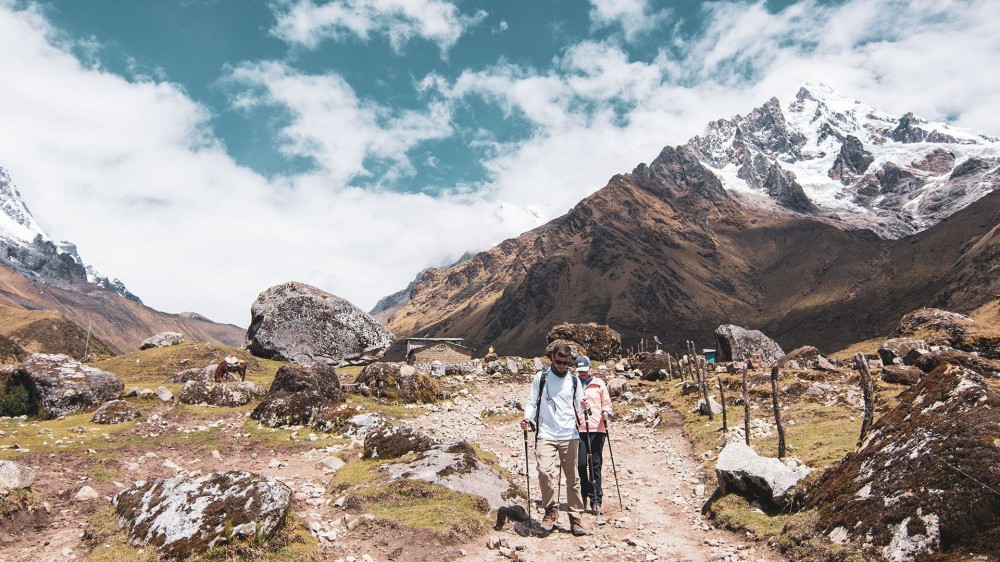
The Salkantay route crosses spectacular high-altitude environments before descending toward warmer cloud-forest landscapes. Travelers experience dramatic mountain scenery, changing ecosystems, and diverse natural environments along the route.
The Inca Trail combines mountainous landscapes with important archaeological sites and eventually leads travelers toward Machu Picchu.
Climate change has not removed what makes these routes exceptional, but hikers should be prepared for different weather conditions throughout their journey.
Waterproof clothing, suitable hiking footwear, warm layers, sun protection, and appropriate trekking equipment are increasingly important when traveling through Peru’s mountainous regions.
Visiting Rainbow Mountain
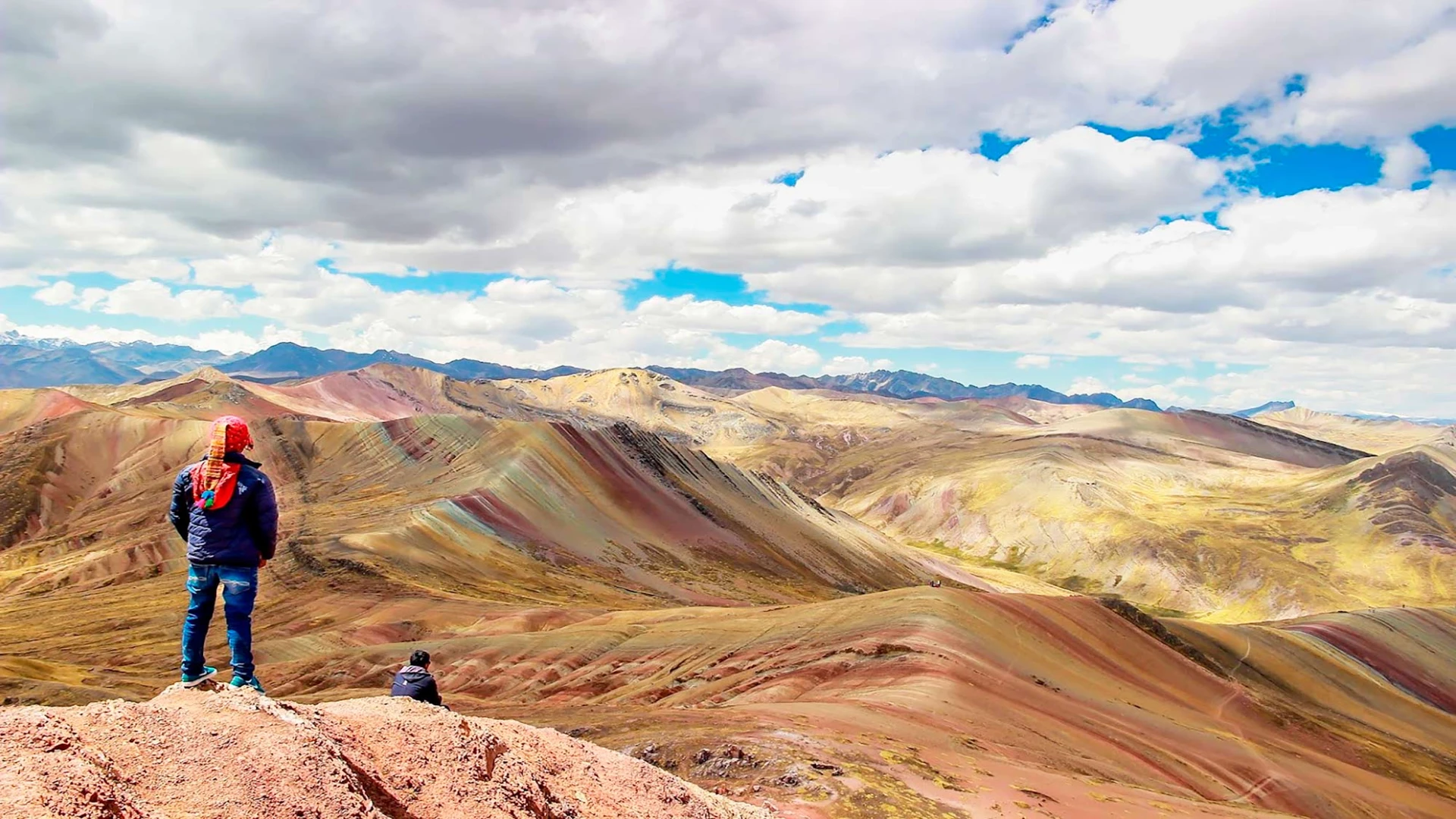
Rainbow Mountain is another popular high-altitude destination where travelers should prepare for rapid weather changes.
Conditions can shift from bright sunshine to cold temperatures, clouds, wind, rain, or even snow within a relatively short period.
Because of its elevation, travelers should also be prepared for lower temperatures and stronger solar radiation.
Checking current forecasts and following the recommendations of local guides can make the experience safer and more comfortable.
How to Prepare for a Trip to Peru
Travel planning should begin with an understanding of the climate in each destination.
Travelers should avoid assuming that weather conditions will be similar throughout Peru. A journey that includes Lima, Cusco, Machu Picchu, and the Amazon may involve several different climate zones.
Checking forecasts shortly before traveling can help visitors prepare more effectively.
Maintaining flexibility within the itinerary is also useful, particularly during periods of heavy rainfall or unusual weather. Transportation delays, road closures, trail adjustments, and schedule changes can occasionally occur.
What to Pack for Changing Weather
Layering is one of the most practical strategies for traveling in Peru, especially in the Andes.
At higher elevations, mornings can be cold, midday sunshine can become intense, and temperatures can fall quickly after sunset.
Travelers should consider carrying waterproof clothing even when rain is not expected. Mountain conditions can change quickly, and having a rain jacket or waterproof layer can make a significant difference.
Comfortable hiking clothes, warm garments, sun protection, suitable footwear, and waterproof protection for personal belongings are also recommended.
Possible Weather-Related Disruptions
Most visitors travel through Peru without experiencing serious weather-related problems.
However, periods of intense rainfall can sometimes produce muddy trails, swollen rivers, landslides, transportation delays, or temporary closures.
Unexpected rain can also occur outside the traditional wet season, while temperature differences between daytime and nighttime can be significant in mountainous areas.
These possibilities should not discourage travelers. They simply highlight the importance of preparation, flexibility, and access to reliable local information.
Peru’s Response to Climate Change
Climate change affects much more than tourism. It also influences agriculture, water resources, infrastructure, ecosystems, public services, and local livelihoods.
Peru has implemented different projects and policies designed to reduce climate risks and improve adaptation.
These initiatives include water management, conservation programs, sustainable agriculture, protection of vulnerable ecosystems, emissions reduction, and community adaptation projects.
Adaptation is particularly important because many effects of climate change are already occurring.
Communities need strategies that help them respond to changing rainfall patterns, rising temperatures, extreme weather, and variations in water availability.
Renewable Energy in Peru
Renewable energy is an important part of Peru’s transition toward a more sustainable future.
Solar, wind, and hydroelectric energy can help reduce dependence on fossil fuels and support cleaner electricity generation.
Peru’s diverse geography creates opportunities for several types of renewable energy development.
However, infrastructure, investment, environmental protection, and the needs of local communities must all be considered when implementing new energy projects.
Conservation and Reforestation
Protecting forests and natural ecosystems is another important part of Peru’s climate strategy.
Healthy forests store carbon, protect biodiversity, regulate water systems, reduce soil erosion, and provide important resources for local communities.
Reforestation projects, conservation programs, and the restoration of degraded ecosystems can provide multiple environmental benefits.
Tourism can also support these efforts when visitors choose responsible operators, local businesses, and conservation-focused experiences.
Responsible Tourism in Peru
Responsible travel is becoming increasingly important as Peru faces environmental challenges.
Visitors can support local communities by hiring local guides, purchasing products from local businesses, choosing community-based tourism experiences, and working with companies that follow sustainable practices.
These decisions help ensure that tourism creates economic benefits for the communities living near popular attractions.
When local populations receive sustainable benefits from tourism, protecting natural and cultural resources becomes even more valuable.
Reducing Your Environmental Impact
Travelers can reduce their environmental footprint through simple actions.
Using reusable bottles, avoiding unnecessary single-use plastics, reducing waste, and choosing environmentally responsible services can help minimize the impact of tourism.
Visitors should remain on established trails, avoid damaging vegetation, respect archaeological sites, and observe wildlife without disturbing or feeding animals.
Waste should always be removed from natural areas whenever appropriate.
Responsible tourism does not require perfect behavior. It means consistently making better choices whenever possible.
Choosing a Responsible Tour Operator
The company travelers choose can influence both the quality of their experience and their environmental impact.
Experienced operators should understand local weather conditions, trail safety, waste management, conservation practices, and the needs of communities along trekking routes.
Responsible tourism companies can also support local employment, conservation initiatives, sustainable practices, and proper environmental management.
This is especially important in sensitive ecosystems such as the Andes and Amazon, where poorly managed tourism can create long-term environmental damage.
Is Peru Still Worth Visiting?
Peru remains an exceptional destination despite the challenges created by climate change.
Machu Picchu continues to be one of the world’s most important archaeological sites. The Andes still offer breathtaking landscapes, the Amazon remains extraordinarily biodiverse, and destinations such as Cusco, the Sacred Valley, Rainbow Mountain, and Peru’s major trekking routes continue to provide unforgettable experiences.
What is changing is the level of preparation travelers should consider before visiting.
Traditional seasonal patterns may not always behave exactly as expected. Current forecasts, flexible itineraries, suitable clothing, and responsible tourism decisions are becoming increasingly important.
Final Thoughts
Climate change is creating new challenges for Peru’s landscapes, ecosystems, communities, and tourism industry.
Glacier retreat in the Andes, changing rainfall patterns in the Amazon, shifting seasonal conditions, and extreme weather influenced by Pacific Ocean temperatures demonstrate how closely Peru’s environment is connected to the global climate system.
For travelers, understanding these changes is more useful than being discouraged by them. Good preparation can help visitors choose the right season, bring appropriate equipment, adapt to unexpected conditions, and make responsible decisions throughout their journey.
Peru remains a remarkable country filled with ancient archaeological sites, dramatic mountains, diverse cultures, vast forests, and extraordinary biodiversity.
The environmental changes occurring today are not a reason to stop exploring the country. Instead, they are a reminder of why protecting Peru’s natural and cultural heritage, supporting local communities, and traveling responsibly have become more important than ever.

Inja Expeditions Travel Team
Inja Expeditions is a Peruvian travel agency founded in 2026, created by a team of experienced tourism professionals and local experts who know Cusco and the Andes in depth. We specialize in unforgettable journeys to Machu Picchu, the Inca Trail, Salkantay, Ausangate, Rainbow Mountain, Cusco, and other unique destinations, combining adventure, culture, local knowledge, and personalized service to create authentic experiences for every traveler.


